

Quick Answers
Where is Daintree National Park?
About 2 hours north of Cairns and 45 minutes from Port Douglas. To reach the heart of the park, cross the Daintree River on the cable ferry.
Do I need a 4WD?
No. A standard car handles Mossman Gorge, Cape Tribulation and the main boardwalks. You need a 4WD beyond Cape Tribulation towards Cooktown.
What wildlife lives in the park?
Southern cassowaries, tree kangaroos, Boyd’s forest dragons, green tree frogs and Ulysses butterflies.
Daintree National Park—Where the Rainforest Meets the Reef


Daintree National Park
-
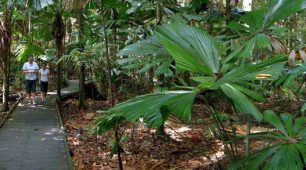
The World’s Oldest Rainforest. The Daintree Rainforest is one of the world’s oldest continuously surviving tropical rainforests, with lineages that trace back to Gondwana.
-
Home to the Mighty Daintree River . This winding waterway is famous for its saltwater crocodiles, lush mangroves, and diverse birdlife. Making it a must-visit for wildlife lovers.
-
Incredible Wildlife Encounters. The Daintree is home to rare and unique species, including the Southern Cassowary, tree kangaroos, Boyd’s forest dragon, and Ulysses butterfly.
-
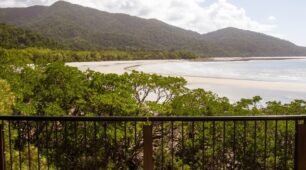
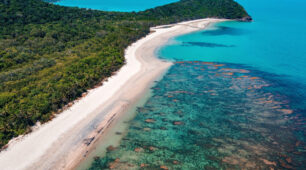
Cape Tribulation Where Rainforest Meets Reef. The only place on Earth where two UNESCO World Heritage Sites, the Daintree Rainforest and the Great Barrier Reef, exist side by side.
-
Scenic Boardwalks and Lookouts. Explore the rainforest on Marrdja, Dubuji, and Jindalba boardwalks. Then take in breathtaking views from Alexandra Lookout.
-
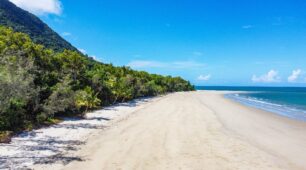
Pristine Beaches and Remote Coastline. From Cow Bay to Thornton Beach, the Daintree Coast boasts secluded white sandy beaches fringed by lush rainforest.
-
A Place of Deep Cultural Significance. The Daintree is the traditional land of the Eastern Kuku Yalanji people. The Kuku Yalanji people have lived in harmony with this landscape for thousands of years. Visitors can experience their culture through guided bush tucker and Dreamtime tours.
Discover the World’s Oldest Living Rainforest
Nestled in Tropical North Queensland, Daintree National Park is a place of ancient beauty and natural wonder. Home to the world’s oldest continually surviving rainforest, this breathtaking wilderness stretches from the misty mountain ranges to the turquoise waters of the Great Barrier Reef. With its towering fig trees, winding rivers, hidden waterfalls, and incredible wildlife, the Daintree is a must-visit destination for nature lovers, adventurers, and anyone looking to experience one of Australia’s most spectacular landscapes.
Explore the Magic of the Daintree


Adventure Awaits in the Daintree
For those seeking adventure, Daintree National Park delivers unforgettable experiences. Whether it’s ziplining through the treetops, kayaking along rainforest-fringed beaches, or wandering to a hidden rainforest creek, there’s no shortage of ways to explore this natural wonderland.
A Place of Cultural Significance
The Daintree Rainforest is the traditional land of the Eastern Kuku Yalanji people, who have lived in harmony with this landscape for thousands of years. Visitors can join a guided cultural tour and learn about bush tucker, Dreamtime stories, and the deep connection between the land and its First Nations people.
Frequently Asked Questions (FAQs) Daintree National Park
How do I get to Daintree National Park?
Do I need a 4WD to visit the Daintree?
What wildlife can I see in the Daintree?
Can I swim in the Daintree Rainforest?
What is the best time to visit Daintree National Park?
Plan Your Daintree Escape
Whether planning a day trip from Port Douglas or spending a few nights immersing yourself in the wild beauty of the rainforest. Daintree National Park is a destination like no other. Its rare wildlife, breathtaking landscapes, and rich cultural heritage will leave you in awe.
Ready to explore the Daintree? Start your adventure today!
Travel Kindly
At Hot Getaways, care is our compass — and a little kindness makes every journey better. When you visit the Daintree, we gently ask you to:
- Tread lightly in the rainforest — stay on the boardwalks and marked tracks to protect this ancient, fragile ecosystem.
- Respect the wildlife — never feed cassowaries or any animals, keep your distance, and take your rubbish home with you.
- Support local — choosing local operators, cafés and guides helps this beautiful place thrive.
- Honour Country — we travel on the traditional lands and sea Country of Australia’s First Peoples, with gratitude and respect to the Traditional Custodians past and present.
- Be kind to each other — a smile, a little patience and a helping hand make the day lovelier for everyone.
Small acts of care add up to something wonderful. Thank you for travelling kindly.