

Quick Answers
Do green tree pythons live in the Daintree?
No. In Australia, wild green tree pythons are found only in a few rainforest ranges on Cape York Peninsula, far north of the Daintree: the Iron, McIlwraith and Kawadji-Ngaachi ranges. They also live in New Guinea.
Which python might I see in the Daintree?
The amethystine (scrub) python, Australia’s longest snake, is the python most often seen in the Daintree area. Pythons are not venomous, but always give snakes plenty of room.
What wildlife can I see in the Daintree?
Visitors look for cassowaries, Boyd’s forest dragons, Ulysses butterflies and tree frogs.
See the animals you can spot in the Daintree in our Animals guide →
Green Tree Python: A Cape York Rainforest Snake


Green Tree Python
- Striking Appearance: Well known for its vibrant emerald-green colouration, often with white or yellow markings, making it a stunning sight in the rainforest canopy.
- Juvenile Colours: In Australia, hatchlings are born bright yellow; red young are found only in parts of New Guinea. All turn green as they mature, giving them camouflage at each life stage.
- Arboreal Lifestyle: These snakes live in trees, using their prehensile tails to grip branches securely while they rest or hunt in the rainforest canopy.
- Ambush predators are skilled hunters who use camouflage to ambush prey such as small mammals, birds, and reptiles.
- Non-Venomous: Despite their intimidating appearance, these snakes pose no threat to humans. They rely on constriction to subdue their prey.
- Reproductive Behaviour: Females lay clutches of 12–25 eggs and exhibit maternal care, coiling around the eggs to protect them and regulate their temperature until they hatch.
- Important Ecosystem Role: By controlling populations of small animals, the Green Tree Python helps maintain ecological balance in the rainforests where it lives.

Discover the Green Tree Python
The Green Tree Python is one of the rainforest animals visitors most often ask about. It is a beautiful emerald snake, but it does not live in the Daintree Rainforest. In Australia it is found only on Cape York Peninsula, far to the north. This guide explains where it lives, how it behaves, and which python you are more likely to see on a Daintree visit.
Where Green Tree Pythons Live
The Green Tree Python (Morelia viridis), often called the “emerald of the rainforest,” is a striking snake species that perfectly blends into the lush greenery of its habitat. This remarkable reptile is recognised for its vibrant green colour, which serves as camouflage among the foliage. It is also renowned for its unique prehensile tail, which allows it to coil around branches expertly and hold onto its arboreal domain precisely.
Why You Won’t See One in the Daintree
In Australia, wild green tree pythons live only in the Iron, McIlwraith and Kawadji-Ngaachi ranges of Cape York Peninsula, where they shelter in rainforest and nearby vine thickets. The rest of their range is in New Guinea. The Daintree has similar lush, humid rainforest, but green tree pythons are not found there in the wild. The python you are most likely to see in the Daintree is the amethystine (scrub) python, Australia’s longest snake.

Life in the Treetops: The Behaviour of the Green Tree Python
The behaviour is a testament to its adaptation to an arboreal lifestyle. Here are some intriguing aspects of its behaviour:
- Nocturnal Feeder: This snake is primarily nocturnal, hunting during the cover of night to capture its prey.
- Ambush Predator: Employing an ambush hunting strategy, the Green Tree Python coils around a branch and awaits unsuspecting prey.
- Diet Diversity: Its diet includes small mammals, birds, and occasionally bats, reflecting its opportunistic feeding habits.
- Moult and Growth: Shedding its skin is a crucial aspect of the growth, allowing it to accommodate its expanding body.
Coexisting in Harmony: Ecological Significance
The Green Tree Python plays a vital role in maintaining the balance of the rainforests where it lives:
- Predator-Prey Relationship: As a predator, it helps control the populations of its prey, contributing to the balance of the food web.
- Biodiversity Indicator: Their presence indicates a healthy rainforest ecosystem, reflecting ample prey availability and suitable habitats.
Challenges and Conservation Efforts
While the Green Tree Python is a marvel of nature, it faces various challenges:
- Habitat Loss: Deforestation and human activities threaten the rainforest, disrupting the snake’s habitat.
- Illegal Pet Trade: The striking appearance makes it a target for the exotic pet trade.
- Conservation Initiatives: Efforts are underway to protect the Cape York rainforests where it lives. Organisations work to raise awareness, combat illegal trade, and preserve the snake’s natural habitat.
Frequently Asked Questions (FAQs)
How long can the Green Tree Python grow?
Are Green Tree Pythons dangerous to humans?
What is the significance of their vibrant colour?
How often do they shed their skin?
Are Green Tree Pythons social creatures?
Conclusion: Embracing the Enchantment of the Green Tree Python
The Green Tree Python is a Cape York rainforest snake, not a Daintree resident, but it is one of Australia’s most striking reptiles. Its vibrant colour, unique behaviour and ecological role make it a captivating species to learn about. When you visit the Daintree, look out for the animals that do live here, from cassowaries to Boyd’s forest dragons.
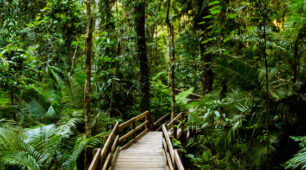
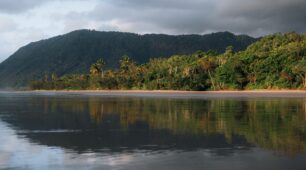
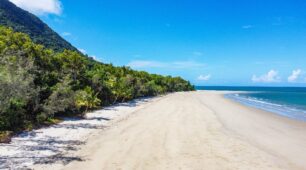
Discover the Daintree Rainforest

Travel Kindly
At Hot Getaways, care is our compass — and a little kindness makes every journey better. When you visit the Daintree, we gently ask you to:
- Tread lightly in the rainforest — stay on the boardwalks and marked tracks to protect this ancient, fragile ecosystem.
- Respect the wildlife — never feed cassowaries or any animals, keep your distance, and take your rubbish home with you.
- Support local — choosing local operators, cafés and guides helps this beautiful place thrive.
- Honour Country — we travel on the traditional lands and sea Country of Australia’s First Peoples, with gratitude and respect to the Traditional Custodians past and present.
- Be kind to each other — a smile, a little patience and a helping hand make the day lovelier for everyone.
Small acts of care add up to something wonderful. Thank you for travelling kindly.