
Quick Answers
What is a sugar glider?
A small nocturnal marsupial that glides between trees on a skin membrane.
How far can a sugar glider glide?
Up to around 50 metres in a single leap, steering with its tail.
When can I see one?
At night, as sugar gliders are nocturnal.
Sugar Glider, Daintree Rainforest: A Night time Spectacle


Sugar Gilder
- Sugar Gliders are night active gliding marsupials, native to eastern Australia’s rainforest zones.
- Equipped with a patagium, they glide up to 50 m between trees, using their tail to steer.
- They typically measure 17 cm long (body) with a longer bushy tail, weighing under 150 g.
- Social creatures, living in groups of up to seven adults, communicating through various vocalizations.
- Their diet includes nectar, sap, pollen, insects, and seasonal fruit—supporting important pollination roles in the rainforest.
- Best observed during nocturnal guided tours, listening for rustling and yapping above in the canopy.
- Conservation initiatives like native tree planting corridors help sustain sugar glider populations across fragmented habitats.
Discover the Sugar Glider
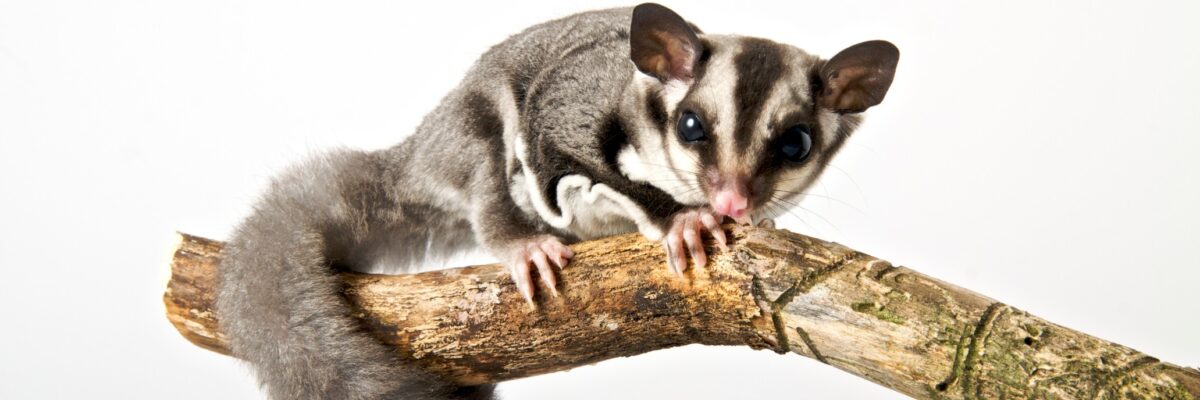
Meet one of our most captivating nocturnal residents: the Sugar Glider (Petaurus breviceps). This charming marsupial leaps and glides through the canopy, playing a vital role in the rainforest’s vibrant ecosystem.

What Is a Sugar Glider?
The Sugar Glider is a small, nocturnal marsupial native to eastern Australia, including the fertile rainforest zones of the Wet Tropics and the Daintree. It glides between trees using a stretchy skin fold (patagium) that extends from its wrists to ankles—traveling distances of up to 50 metres in a single glide.
Measuring about 17 cm in body length with a longer bushy tail of about 19 cm, they weigh only 110–140 g. Their soft grey fur, large dark eyes, and distinctive dark stripe from forehead to tail make them instantly recognizable.

Rainforest Acrobat and Social Traveller
- Nocturnal and Arboreal: By day, sugar gliders rest in leaf-lined nests inside tree hollows. At night, they emerge to glide, forage, and socialize among the treetops.
- Highly Social: Living in family groups of up to seven adults, sugar gliders exhibit vocal communication—chirps, barks, and chattering—to coordinate with colony members.
- Glide Experts: Their patagia enables glides covering as far as 50 m, with the tail acting as a rudder to steer and stabilize mid-air.

Diet and Ecological Role
Sugar gliders are omnivores with a sweet tooth—they feed on:
- Nectar, pollen, and tree sap—especially from eucalyptus and acacia trees.
- Insects such as moths, beetles, and crickets.
- Seasonal fruit and occasional small vertebrates.
They play a vital role in rainforest health by pollinating flowering trees and dispersing seeds, especially during their nocturnal foraging in bloom-rich zones of the Daintree Rainforest.
Spotting Them in the Daintree
- Show Up at Dusk: Join a guided nocturnal walk or spotlight tour—these tours offer the best chance to see sugar gliders launching into silent glides across the canopy.
- Listen Closely: Look for shrill alarm barks or soft chirps—commonly used to warn or coordinate with others—alongside the rustle of gliding gliders in trees.
- Restore Habitats: Participate or support local conservation initiatives focused on planting native trees that support glider populations, creating safe “glider corridors” between fragmented forest patches.
Sugar Glider – FAQs
What is a sugar glider?
How far can sugar gliders glide?
What do sugar gliders eat?
Are sugar gliders social animals?
When is the best time to see a sugar glider in the Daintree?

Final Thought
The sugar glider—with its delicate wings, gentle calls, and close knit social bonds is both enchanting and ecologically invaluable. If you’re drawn to unique wildlife encounters and rainforest wonders, spotting these gliding marvels under a moonlit sky is an experience you won’t forget.
Let us help you plan your best Daintree adventure—where magic meets nature.
Discover the Daintree Rainforest

Travel Kindly
At Hot Getaways, care is our compass — and a little kindness makes every journey better. When you visit the Daintree, we gently ask you to:
- Tread lightly in the rainforest — stay on the boardwalks and marked tracks to protect this ancient, fragile ecosystem.
- Respect the wildlife — never feed cassowaries or any animals, keep your distance, and take your rubbish home with you.
- Support local — choosing local operators, cafés and guides helps this beautiful place thrive.
- Honour Country — we travel on the traditional lands and sea Country of Australia’s First Peoples, with gratitude and respect to the Traditional Custodians past and present.
- Be kind to each other — a smile, a little patience and a helping hand make the day lovelier for everyone.
Small acts of care add up to something wonderful. Thank you for travelling kindly.