
Quick Answers
Can I visit the Daintree as a day trip?
Yes. Day tours from Cairns and Port Douglas are popular, although staying overnight lets you see more.
Do I need a 4WD?
No. A standard car reaches Cape Tribulation via the Daintree ferry. You only need a 4WD north of Cape Tribulation on the Bloomfield Track.
Is there phone coverage in the Daintree?
Coverage is limited in many areas, so download maps and travel information before you arrive.
“Good preparation doesn’t diminish the sense of discovery. It sets you free to be fully present when the Daintree begins to reveal itself.”
Plan Your Visit — Everything You Need to Arrive Ready
The Daintree is a World Heritage-listed wilderness, and visiting it well requires a little planning. Not because it’s difficult, but because understanding how the place works allows you to spend less time managing logistics and more time experiencing one of the world’s great natural landscapes. This guide brings together everything we’ve learned from years of helping visitors get the most from the Daintree. Read it before you go. Your future self will thank you.
Getting There — The Road to the World’s Oldest Rainforest
The Daintree is approximately 110 kilometres north of Cairns and 35 kilometres north of Port Douglas. The Daintree River ferry crossing at Cape Kimberley Road is the gateway into the World Heritage area north of the river, a short but genuinely memorable crossing that marks the transition from the developed world into the wild. The ferry operates daily and runs frequently, but check current timetables before you travel, particularly during wet season when conditions can change quickly.
When to Visit — Seasons and What They Mean
The Daintree has two primary seasons: the wet season (November to April) and the dry season (May to October). Both offer extraordinary experiences. The dry season brings reliably sunny days, clear visibility and comfortable temperatures, ideal for first-time visitors. The wet season transforms the forest, filling waterfalls, intensifying the green of the canopy, and bringing out wildlife in numbers that the dry season cannot match. Roads north of Cape Tribulation can close in heavy rain, so plan with flexibility if you visit between December and March.
Staying Safe in the Daintree
The Daintree is genuinely wild and deserves genuine respect. Saltwater crocodiles inhabit the Daintree River, its tributaries, and coastal waters, always heed crocodile warning signs and never swim in waterways unless they are confirmed safe. Stingers (box jellyfish and Irukandji) are present in coastal waters during the wet season, seek local advice before swimming in the sea. On land, the greatest risks are dehydration and sun exposure, carry water on every walk, wear sun protection, and let someone know your plans if you are heading off established tracks.
Respecting Country
The Daintree is Kuku Yalanji Country. This is not simply a legal or administrative fact, it is a living reality. The Kuku Yalanji people have cared for this land for tens of thousands of years, and their connection to it is inseparable from its extraordinary health and biodiversity. As a visitor, you are a guest on their Country. Travel with respect, seek out cultural experiences and knowledge, support Kuku Yalanji-owned tourism businesses, and leave the place in exactly the condition you found it. The future of the Daintree depends on visitors who care.
A Hot Getaways destination. Where Care is Our Compass.
Explore Visit Daintree
Everything You Need to Know Before Visiting the Daintree Rainforest.
Planning a trip to the Daintree Rainforest? This comprehensive Daintree Visitor Information Guide covers everything you need to know before exploring one of Australia’s most spectacular natural destinations. From how to get there and what to see, to safety tips, weather information, accommodation, tours and visitor facilities, this guide will help you make the most of your Daintree adventure.
The Daintree Rainforest is part of the World Heritage-listed Wet Tropics of Queensland and is widely recognised as one of the world’s oldest continuously surviving tropical rainforests — UNESCO describes this region as the largest part of Australasia where rainforests have persisted continuously since Gondwanan times. Covering approximately 1,200 square kilometres, it is one of the most biologically diverse ecosystems in Australia.
Where is the Daintree Rainforest?
The Daintree Rainforest is located in Tropical North Queensland, approximately two hours north of Cairns and around one hour north of Port Douglas. The region stretches from Mossman Gorge in the south through Daintree Village, across the Daintree River and north to Cape Tribulation and the Bloomfield Track.
Distances to the Daintree
-
- Cairns to Daintree River Ferry – 120 km
- Port Douglas to Daintree River Ferry – 55 km
- Daintree Ferry to Cape Tribulation – 35 km
- Cairns to Cape Tribulation – approximately 140 km
Most visitors access the region by self-drive vehicle or join a guided Daintree Rainforest tour.
Daintree Visitor Centres
Daintree Discovery Centre
One of the best places to begin your visit is the Daintree Discovery Centre, located approximately 10 kilometres north of the Daintree River Ferry. The centre provides visitors with an excellent introduction to the rainforest through elevated boardwalks, interactive displays, canopy towers and educational exhibits.
Highlights include:
-
- Elevated rainforest boardwalks
- 23-metre canopy tower
- Interactive displays and touch-screen information kiosks
- Rainforest ecology exhibits
- Indigenous cultural information
- Guided and self-guided experiences
Mossman Gorge Centre
Located at the entrance to Mossman Gorge, this award-winning Indigenous ecotourism centre provides visitor information, café facilities, retail shopping and access to shuttle services into the national park. The centre is operated in partnership with the Traditional Owners of the region.
Getting to the Daintree
By Car
Driving is the most popular way to explore the Daintree. The scenic journey follows the Captain Cook Highway from Cairns or Port Douglas before reaching the Daintree River Ferry crossing.
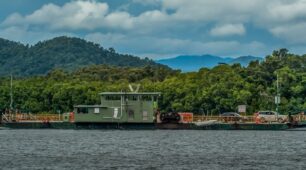
The Daintree River Ferry operates daily and is the only vehicle crossing point into the northern Daintree and Cape Tribulation region. The crossing takes approximately 10 minutes.
By Guided Tour
Visitors who prefer not to drive can choose from a wide range of day tours and multi-day tours departing from Cairns and Port Douglas. Guided tours often include:
-
- Mossman Gorge
- Daintree River cruises
- Cape Tribulation
- Rainforest walks
- Wildlife spotting
- Indigenous experiences
Best Things to Do in the Daintree Rainforest
Explore Mossman Gorge
Mossman Gorge offers crystal-clear mountain streams, rainforest walks and significant cultural experiences with the Eastern Kuku Yalanji people.
Popular activities include:
-
- Mossman Gorge Circuit Walk
- Viewing the river from the boardwalk (the Mossman Gorge Cultural Centre recommends against swimming in the river)
- Indigenous guided walks
- Wildlife photography
-
Cross the Daintree River
The ferry crossing is an iconic part of the Daintree experience and marks the gateway into one of Australia’s last remaining tropical wilderness areas.
Visit Cape Tribulation
Cape Tribulation is famous for being one of the few places in the world where two UNESCO World Heritage sites meet, the Daintree Rainforest and the Great Barrier Reef.
Popular attractions include:
-
- Cape Tribulation Beach
- Kulki Boardwalk
- Dubuji Boardwalk
- Myall Beach
- Mount Alexandra Lookout
Take a Daintree River Cruise
The Daintree River is home to an abundance of wildlife, including:
-
- Estuarine crocodiles
- Tree snakes
- Kingfishers
- Egrets
- Herons
- Mangrove ecosystems
Wildlife cruises provide one of the best opportunities to see crocodiles in their natural environment.
Walk the Rainforest Boardwalks
Several easy-access boardwalks allow visitors to experience the rainforest safely while protecting the fragile environment.
Popular boardwalks include:
-
- Jindalba Boardwalk
- Marrdja Boardwalk
- Dubuji Boardwalk
- Mossman Gorge Circuit
Daintree Wildlife
The Daintree Rainforest contains exceptional biodiversity and supports thousands of plant and animal species.
Visitors may encounter:
Southern Cassowary
The endangered Southern Cassowary is one of the Daintree’s most iconic residents and plays a critical role in rainforest seed dispersal.
Tree Kangaroos
The rainforest is home to Bennett’s Tree Kangaroo, a species rarely seen elsewhere in Australia.
Birdlife
The Daintree supports around 40% of Australia’s bird species and is considered one of the country’s premier birdwatching destinations.
Reptiles and Amphibians
Keep an eye out for:
-
- Boyd’s Forest Dragon
- Green Tree Frogs
- Leaf-tailed Geckos
- Amethystine Pythons
Daintree Weather and Best Time to Visit
Dry Season (May to October)
The most popular time to visit the Daintree.
Conditions include:
-
- Lower humidity
- Comfortable temperatures
- Less rainfall
- Excellent walking conditions
Average temperatures range from 18°C to 28°C.
Wet Season (November to April)
The rainforest comes alive during the wet season.
Expect:
-
- Higher humidity
- Tropical rainfall
- Lush green landscapes
- Waterfalls at their most spectacular
Average temperatures range from 24°C to 32°C.
Safety Information for Visitors
The Daintree is a natural wilderness area, and visitors should follow safety guidelines.
Crocodile Safety
Saltwater crocodiles inhabit rivers, creeks and coastal areas throughout the region.
Always:
-
- Obey warning signs
- Stay well back from riverbanks
- Do not swim where crocodile warnings exist
- Supervise children closely
Marine Stingers
Marine stingers can be present during summer months.
Visitors should:
-
- Observe local warnings
- Swim only in designated safe areas
- Follow advice from local authorities
Driving Safety
Roads north of the Daintree River Ferry are winding and narrow.
Drivers should:
-
- Drive cautiously
- Watch for wildlife, particularly cassowaries
- Allow extra travel time
- Avoid driving distracted
Accommodation in the Daintree
The Daintree offers accommodation options for every style of traveller.
Options include:
Luxury Eco Resorts
Experience rainforest luxury surrounded by nature.
Boutique Rainforest Lodges
Stay immersed in the sounds of the rainforest.
Holiday Homes
Ideal for families and groups.
Camping and Caravan Parks
Affordable options for adventurous travellers.
Popular accommodation areas include:
-
- Daintree Village
- Cow Bay
- Diwan
- Cape Tribulation
Visitor Facilities
Facilities throughout the Daintree include:
-
- Cafés and restaurants
- Fuel stations
- Public toilets
- Visitor information centres
- Accommodation providers
- Guided tour operators
- Grocery stores and convenience shops
Facilities become more limited north of the Daintree River, so visitors should plan ahead.
Frequently Asked Questions
How old is the Daintree Rainforest?
Do I need a 4WD?
Can you visit the Daintree in one day?
Is there mobile phone coverage?
Can you swim in the Daintree?
Plan Your Daintree Adventure
Whether you’re seeking ancient rainforest experiences, wildlife encounters, cultural tours, breathtaking beaches or Great Barrier Reef adventures, the Daintree offers one of Australia’s most unforgettable travel experiences.
Browse our accommodation, tours, attractions and local guides to start planning your Daintree Rainforest holiday today.
Best Things to Do in the Daintree Rainforest

Travel Kindly
At Hot Getaways, care is our compass — and a little kindness makes every journey better. When you visit the Daintree, we gently ask you to:
- Tread lightly in the rainforest — stay on the boardwalks and marked tracks to protect this ancient, fragile ecosystem.
- Respect the wildlife — never feed cassowaries or any animals, keep your distance, and take your rubbish home with you.
- Support local — choosing local operators, cafés and guides helps this beautiful place thrive.
- Honour Country — we travel on the traditional lands and sea Country of Australia’s First Peoples, with gratitude and respect to the Traditional Custodians past and present.
- Be kind to each other — a smile, a little patience and a helping hand make the day lovelier for everyone.
Small acts of care add up to something wonderful. Thank you for travelling kindly.
Before you go: check what to pack for the Daintree, and read up on the facts behind the rainforest and the history of the Daintree.